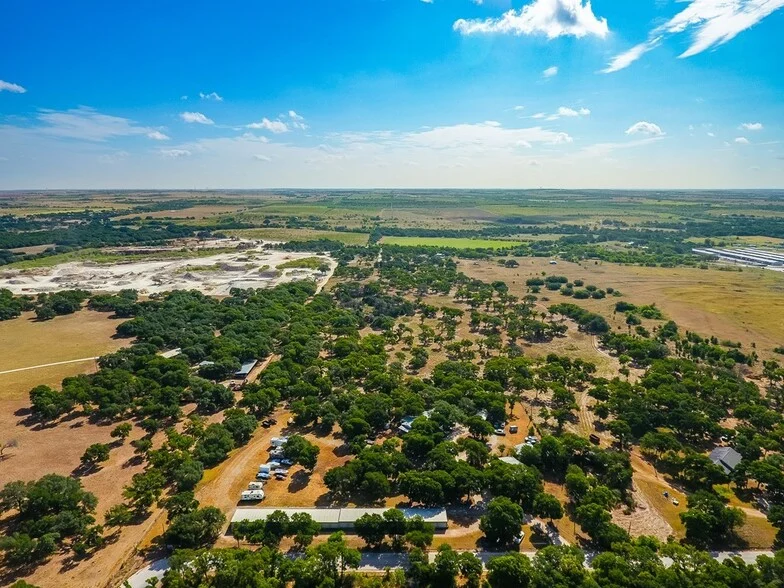
Sold
Industrial
1251 CO RD 147
Sold Industrial transaction in Georgetown, TX. Broker: Eugene Batson.
Industrial is where Central Texas commercial real estate does its heaviest volume, and it’s also where averages mislead the most. The Austin metro entered 2026 with industrial vacancy at cyclical highs after a historic construction wave — yet inside that average, Georgetown carries availability near 30 percent while Bastrop County runs the tightest industrial market in the region at low single digits. Tenants hold real leverage in most corridors; in others, functional space still commands firm rates and fast decisions.
That submarket-by-submarket variance is exactly why industrial requirements deserve a specialist. We represent warehouse, distribution, manufacturing, and flex users across Austin, Dallas-Fort Worth, San Antonio, Houston, and the corridors between them — from a 3,000 SF flex bay for a contractor to six-figure-SF distribution requirements — and we represent owners leasing and selling industrial product into a market where the right positioning is worth real money per square foot.
Industrial diligence is its own discipline: clear height, dock and grade-level door counts, truck court depth and trailer parking, power capacity (three-phase and amperage that manufacturing and data-adjacent users actually need), sprinkler classification, floor load, outside storage rights, and zoning that permits your actual operation. We evaluate every property against your operational requirement, not the flyer’s highlight reel.
The demand story keeps broadening. Beyond traditional 3PL and e-commerce users, advanced manufacturing and suppliers serving data center construction have become a dominant force in Central Texas leasing — a structural driver that keeps well-located, power-served industrial product competitive even in a high-vacancy environment.
Whether you need a warehouse on the Georgetown corridor or a flex bay anywhere in Central Texas, the evaluation standard is operational, not cosmetic.
Document what the building must do — throughput, power, clear height, docks, yard, and growth headroom.
Complete availability sweep across qualifying submarkets, including off-market and pre-delivery product.
Rate, TI, and term negotiated against submarket comps and the metro’s real vacancy picture.
Lease or purchase execution, then an expansion and renewal roadmap so the next move is planned early.
Clear height, dock-high and grade-level door counts, truck court depth and trailer parking, power capacity and phase, sprinkler classification, floor load, and outside storage rights — matched against your actual operation. A building that misses on power or truck courts fails no matter how good the rate is.
It depends entirely on the submarket. Most of the Austin metro and San Antonio are digesting delivery waves, which hands tenants real leverage on rate, free rent, and TI. Bastrop County is the exception — the region’s tightest industrial market, where quality blocks reward speed over patience. We calibrate strategy corridor by corridor.
Yes — small-bay industrial is one of the most active owner/user categories in Texas, and SBA 504 structures put facility ownership within reach at roughly 10% down for qualifying businesses. We run the lease-versus-own math before recommending either path.
When existing product doesn’t fit, we source the site through our land practice, connect the development conversation, and negotiate the build-to-suit lease or purchase with your long-term occupancy cost as the controlling metric.
Georgetown, TX · 12,032 SF · Eugene Batson
Sold Industrial transaction in Georgetown, TX. Broker: Eugene Batson.
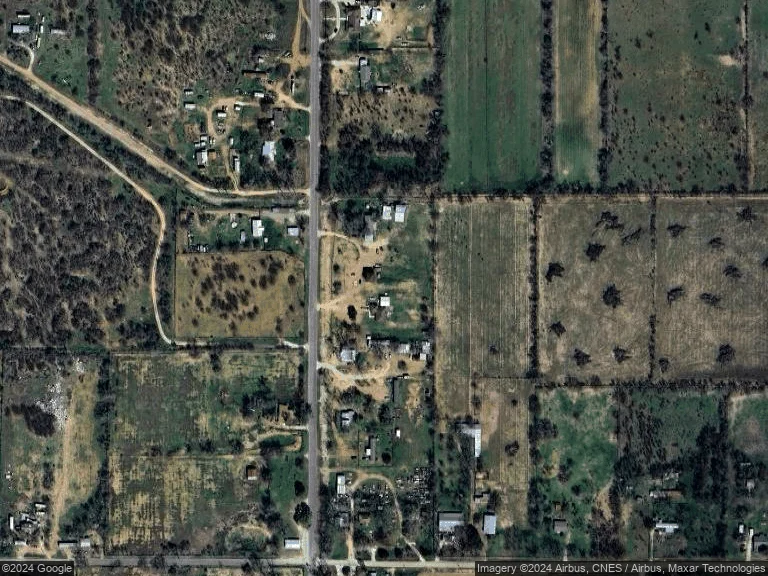
Devine, TX · 1.15 AC · Robert Creamer
Sold Industrial transaction in Devine, TX. Broker: Robert Creamer.
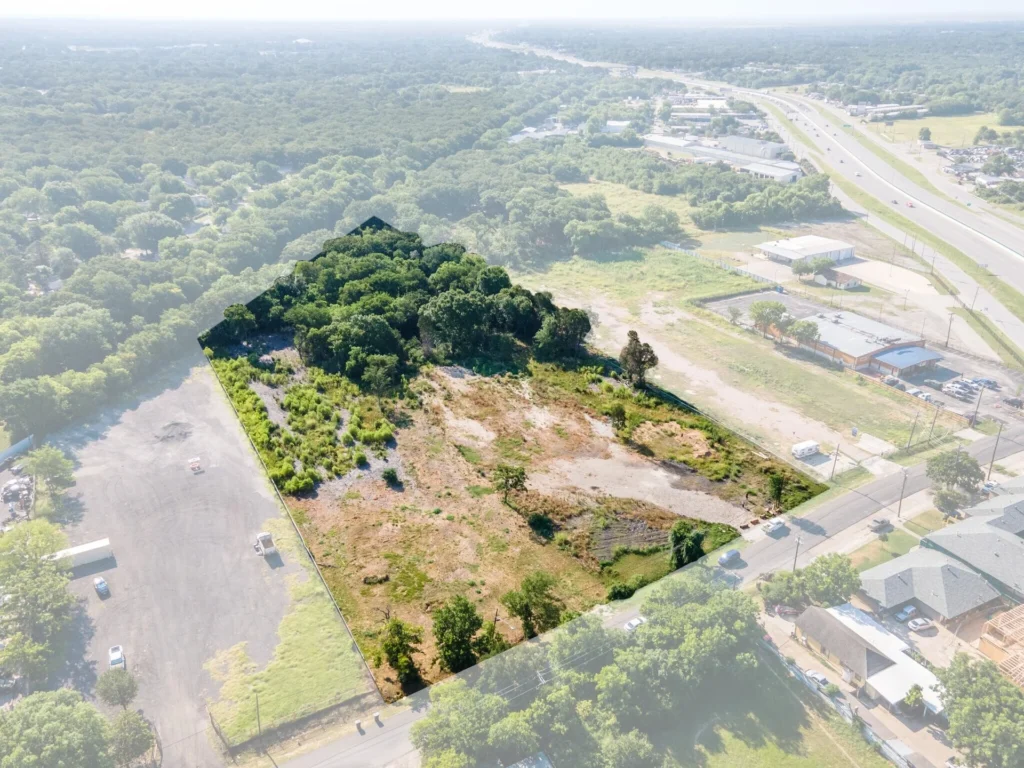
Dallas, TX · 4.27 AC · Robert Creamer
Sold Industrial transaction in Dallas, TX. Broker: Robert Creamer.
Full-cycle representation for industrial occupiers, typically at no direct out-of-pocket cost.
Learn More → →Buy the facility instead of leasing it — we run the comparison honestly.
Learn More → →Build-to-suit sites when the market has no building that fits.
Learn More →Explore city-specific guidance for evaluating industrial facilities, flex configurations, transaction paths and property-level diligence.
Facility and corridor evaluation across Austin and surrounding communities.
Explore Austin → →Industrial property guidance across the Metroplex’s varied operating corridors.
Explore DFW → →Facility, site and diligence considerations across the Houston region.
Explore Houston → →Operational property guidance across established and regional corridors.
Explore San Antonio →Tell us the operational spec and the metro. We’ll tell you what the market will actually give you.
Use these practical guides, checklists and calculators to prepare for the next decision.
Compare locations consistently using fatal gates, weighted criteria and documented assumptions.
View the Resource →Organize property diligence, evidence, deadlines and unresolved issues before commitment.
View the Resource →Capture comparable facts during tours and prevent presentation quality from hiding operational problems.
View the Resource →Review the current property pages for details, documents and broker contact options.