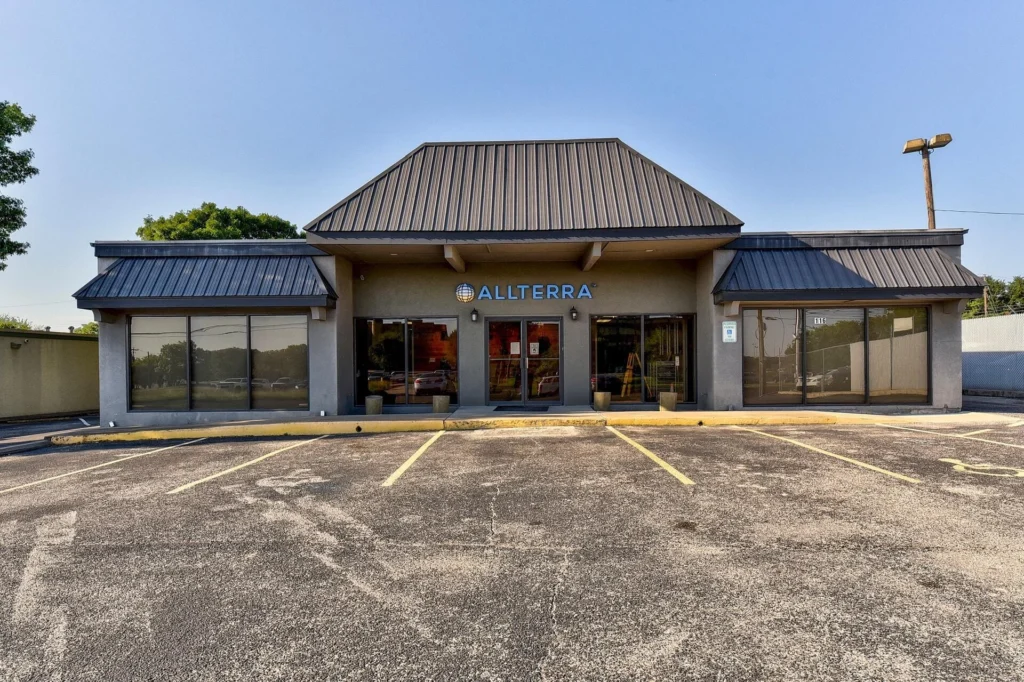
Leased
Medical
116 E Huntland Dr
Leased Medical transaction in Austin, TX. Broker: Eugene Batson.
Medical office space isn’t office space with exam tables. The economics are different — buildout costs routinely run multiples of standard office TI once plumbing, med-gas, imaging shielding, and ADA clinical requirements enter the picture. The regulatory picture is different, from Stark and anti-kickback considerations in landlord-physician relationships to licensure-driven location constraints. And the demand picture is different: healthcare is one of the most consistent employment and space-demand growth engines in every major Texas metro, which keeps well-located medical product tight even when general office struggles.
We represent physicians, dental and veterinary practices, med spas, behavioral health operators, practice groups, and healthcare investors across Austin, Dallas-Fort Worth, San Antonio, Houston, and the Central Texas corridor. On the occupier side, that means finding medical office space in Austin or a medical building for lease in San Antonio that actually supports your clinical workflow, patient access, parking ratios, and payer-mix geography — then negotiating TI packages that acknowledge what medical buildout really costs.
On the ownership side, we help established practices make the lease-versus-own decision with real numbers. Medical users are among the strongest candidates for owner-occupied acquisitions: durable revenue, strong lending profiles, and SBA 504 structures that put ownership within reach at down payments many practice owners don’t realize are possible. When the analysis favors owning, we run the acquisition; when it doesn’t, we say so.
For investors, medical office remains one of the most defensible asset classes in Texas — long lease terms, high tenant retention driven by buildout investment, and demographic tailwinds that don’t depend on the office-work debate. We source, underwrite, and sell medical assets from single-tenant condos to multi-tenant MOBs.
Clinical real estate decisions ripple through a practice for a decade. We treat them with that weight.
Clinical program, patient geography, parking, growth plan, and budget — mapped before touring.
Medical-suitable inventory surveyed across qualifying submarkets, including conversion candidates.
Lease or purchase terms negotiated around buildout economics, term length, and exit flexibility.
Execution coordinated with your lender, contractor, and equipment timeline through opening day.
Plumbing in nearly every room, medical gas, imaging shielding, generator or redundant power for some uses, ADA clinical requirements, and finish standards that satisfy both patients and inspectors. Buildout routinely runs multiples of standard office cost — which is why we negotiate TI packages and term lengths that acknowledge the real number instead of office norms.
Established practices with stable patient geography are among the strongest owner/user candidates in commercial real estate — durable revenue, strong lending profiles, and SBA 504 access at roughly 10% down. But new practices, uncertain footprints, or near-term partnership changes usually argue for leasing. We run the analysis honestly in both directions.
Landlord-physician relationships carry regulatory considerations that generic brokers miss — fair market value rent documentation matters when your landlord is a referral source. We flag the issues and coordinate with your healthcare attorney; we don’t practice law, and we make sure someone qualified does.
Yes — medical office buildings and condos are among the most defensible investment holds in Texas, with long terms and buildout-driven tenant retention. We source, underwrite, and sell MOB product across Austin, Dallas-Fort Worth, San Antonio, Houston, and the corridor communities.
Austin, TX · 5,592 SF · Eugene Batson
Leased Medical transaction in Austin, TX. Broker: Eugene Batson.
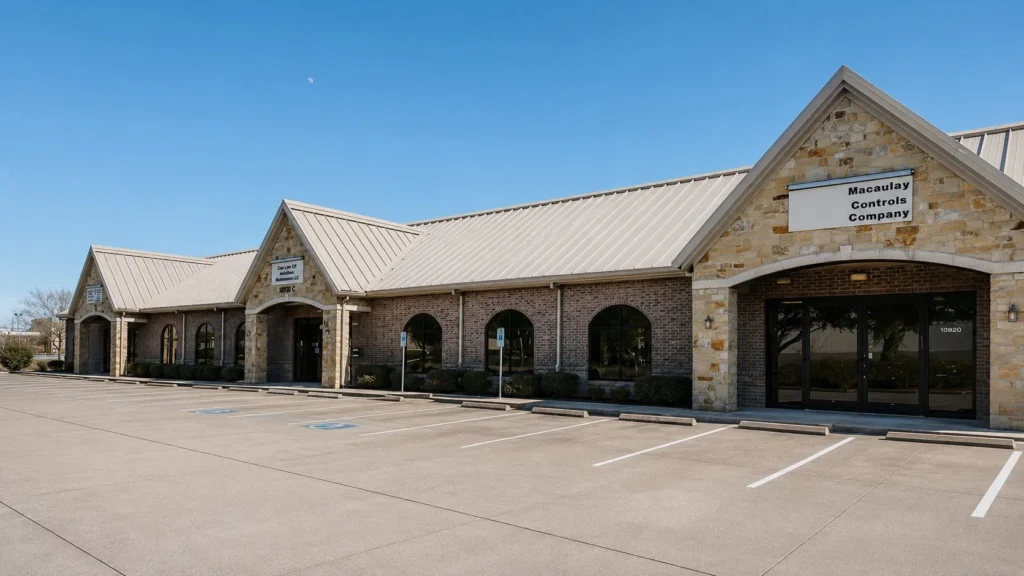
Webster, TX · 10,436 SF · Robert Creamer
Sold Medical transaction in Webster, TX. Broker: Robert Creamer.
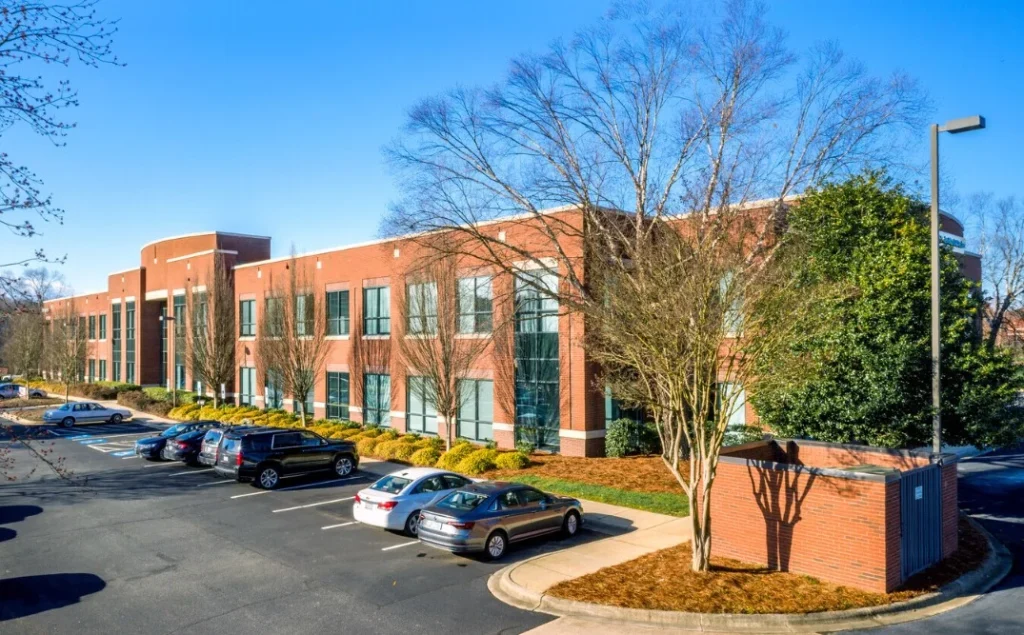
Huntersville, NC · 7,072 SF · Eugene Batson
Leased Medical transaction in Huntersville, NC. Broker: Eugene Batson.
SBA-aware building purchases for established practices.
Learn More → →Lease-side representation typically at no direct out-of-pocket cost to your practice.
Learn More → →MOB and medical condo acquisitions and dispositions for investors.
Learn More →Tell us about your practice and where it’s headed. The real estate plan should serve the clinical plan — not the other way around.
Use these practical guides, checklists and calculators to prepare for the next decision.
Compare locations consistently using fatal gates, weighted criteria and documented assumptions.
View the Resource →Organize property diligence, evidence, deadlines and unresolved issues before commitment.
View the Resource →Test patient access, clinical workflow, infrastructure, compliance coordination and buildout feasibility.
View the Resource →