
Sold
Industrial
10901 FM812
Sold Industrial transaction in Del Valle, TX. Broker: Eugene Batson.
A portfolio exit is a strategy problem before it’s a marketing problem. Sell everything at once as a package, and you widen the buyer pool to institutional capital but often accept a portfolio discount. Sell asset by asset, and you can capture retail pricing on each — but sequencing, tax exposure, and market timing now determine the outcome as much as the individual sale prices do. The right answer is usually a hybrid, and it’s different for every owner’s debt structure, tax position, and reason for exiting.
We run portfolio dispositions for private owners, family partnerships, estates, and investors repositioning out of Texas commercial holdings — office, retail, industrial, medical, multifamily, and mixed portfolios. The engagement starts with a full portfolio valuation: each asset underwritten individually against verified comps, then modeled in packaging scenarios so you can see, in dollars, what bulk versus sequenced versus hybrid strategies actually produce after taxes and transaction costs.
Timing intelligence matters in the current market. Buyer depth varies sharply by asset class — Texas retail and industrial attract broad and active capital, stabilized medical trades at premium multiples, while commodity office requires realistic pricing and creative buyer targeting. Sequencing sales so each asset meets its strongest buyer pool, rather than dumping everything into the same quarter, is frequently worth more than any negotiation tactic.
Tax structure runs through everything: 1031 exchanges chained across sequential sales, installment structures, opportunity-zone considerations, and estate-planning coordination with your CPA and attorney. We don’t give tax advice — we build the disposition calendar so your advisors’ strategy is executable in the real market.
One team accountable for the whole exit — valuation, sequencing, marketing, and closing after closing.
Every asset underwritten individually; the whole modeled in bulk, sequenced, and hybrid scenarios.
Sequencing, pricing, and packaging decisions made with your tax and debt picture on the table.
Each asset marketed to its strongest buyer pool on the calendar the strategy sets.
Closings coordinated with exchange deadlines and reinvestment plans — through the last asset.
Usually neither, purely — a hybrid wins most often. Bulk maximizes speed and certainty but typically accepts a portfolio discount; sequenced sales capture retail pricing per asset but extend timeline and tax complexity. We model all three in dollars against your debt maturities and tax calendar, and the numbers make the decision.
Off-market processes are standard in this practice: qualified-buyer outreach under NDA, no public listings until (and unless) strategy calls for them, and marketing materials that protect tenant and operational information. Discretion and price are not a trade-off when the buyer targeting is right.
That coordination is the job. Exchange chains across sequential closings, installment considerations, and estate timing all live with your advisors — we build the disposition calendar so their strategy is executable in the real market, and we keep everyone on the same dates.
Then we say so, and we fix it first. Lease-up programs, renewal captures, and deferred-maintenance triage before marketing routinely return multiples of their cost at closing. Selling an asset one leasing cycle too early is the most expensive impatience in real estate.
Del Valle, TX · 18.5 Acres · Eugene Batson
Sold Industrial transaction in Del Valle, TX. Broker: Eugene Batson.
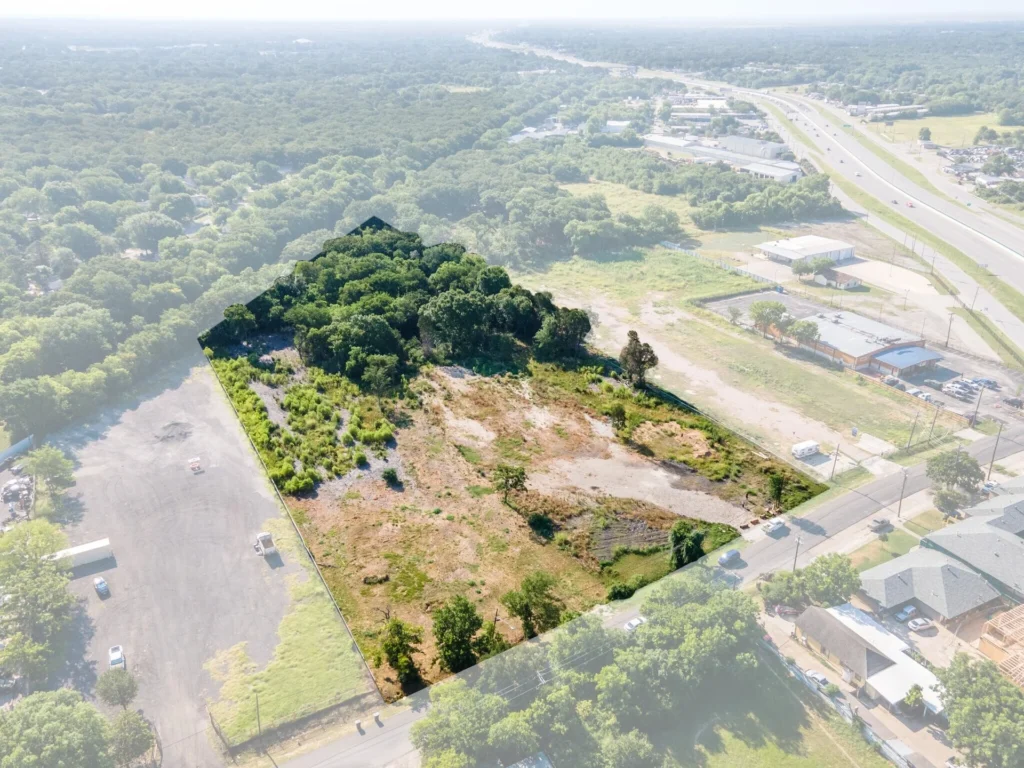
Dallas, TX · 4.27 AC · Robert Creamer
Sold Industrial transaction in Dallas, TX. Broker: Robert Creamer.

Leander, TX · 2.8 AC · Eugene Batson
Sold Retail transaction in Leander, TX. Broker: Eugene Batson.
Start with a confidential portfolio valuation. You’ll see what bulk, sequenced, and hybrid exits each produce — in dollars.
Use these practical guides, checklists and calculators to prepare for the next decision.
Coordinate documents, funds, approvals, signatures and post-closing obligations.
View the Resource →Understand when cost segregation may merit professional review and how it fits an ownership plan.
View the Resource →Model sale assumptions and organize depreciation-recapture questions before disposition.
View the Resource →